


Forget the generic must-see list. We ask the people who know a destination best where they actually eat, drink, stay and spend their time.
A local’s travel guide to Campo de Borja & Zaragoza
This time, we’re heading to Campo de Borja, a small wine region in Aragón where Garnacha has been grown for centuries, with Zaragoza – around an hour away – providing the natural starting point for exploring it.
Our guide is Nacho Campo, Director of the Campo de Borja wine region’s regulatory body, who takes us from ancient monasteries and vineyard stays to Zaragoza institutions, late-night tapas and, naturally, plenty of Garnacha.
I’ve just arrived. Where are you taking me first?
Call me biased, but I’d make visiting one of the region’s wineries a priority! You can find all the wineries open to the public on larutadelagarnacha.es. There are several that open in the mornings, but only two in the afternoon: Bodegas Aragonesas (open everyday until 5pm) and Bodegas Palmeri (every afternoon from 5pm to 7pm) so they would be great options if you arrive after lunchtime. Wherever you go, you will need to pre-book your visit in advance.
Where should I stay?
For rural peace in the heart of the vineyards, stay in Castillo de Bulbuente – a restored 10th–15th century castle owned by Spain’s leading author of historical fiction, Luis Zueco. Each room is different; some have private terraces, others have jacuzzis or free-standing baths, but all offer 21st century fittings in a unique setting, as well as an outdoor pool during the summer.
If you’d prefer to stay in Zaragoza, you have several options, including the 4-star Hotel Hiberus for cutting-edge design and an outdoor pool (summer only), or the historic NH Collection Gran Hotel de Zaragoza right in the city centre.

Where are we having our first coffee?
Churrería La Fama is a Zaragoza institution. If you are heading into the city, stop in one of its two sites for freshly cooked churros and chocolate (or café con leche). Open from 8 a.m., so it’s a great place to start the day.
Where are we going for lunch, and what are we ordering?
Restaurante El Molino de Berola is located in Vera de Moncayo, very close to the Monastery de Veruela. It is well-known for its seasonal menus of truffles, wild mushrooms and chargrilled T-bone steak (chuletón de vaca vieja), as well as its excellent list of local wines.
Which famous attraction is genuinely worth it, and what’s your hidden gem?
The most famous attractions in Zaragoza are La Aljafería, a fortified medieval palace, and the Cathedrals of El Pilar and El Seso. All are well worth a visit for their reflection of the city’s 2,000 years of Roman, Islamic, and Christian heritage.
As for a hidden gem, the tiny church of el Santuario de Misericordia in Borja has become internationally renowned for the botched restoration of its Ecce Homo by a local parishioner. The partially-restored painting is located in a chapel in one of Spain’s oldest pilgrimage refuges dating back to the 15th-Century, where you can see a traditional Aragonese kitchen. Outside, a peaceful square with a fountain is a great place to sit and enjoy views of the surrounding villages and countryside.

Where do you go when you want to remind yourself why you live here?
For locals, the Fiestas del Pilar are a source of great pride and delight, when the whole of Zaragoza comes together to honour the Virgen del Pilar on her Saint’s Day, the 12th October. We dress in traditional Aragonese costumes to offer millions of flowers to the virgen, which form a huge pyramid under her statue in the Plaza del Pilar. Ten days of festivities include concerts, fireworks, traditional dances, and of course, plenty of wine!
Where are we stopping for apéro?
Every Saturday at 11am, Bodegas Borsao hosts guided tours of the winery with a tasting of three of their wines and tapas. It’s a great way to learn more about winemaking in the region and enjoy a great pre-lunch aperitif!
Where are we having dinner, and what’s the atmosphere like?
El Tubo is Zaragoza’s famed tapas area, a maze of tiny bars serving glasses of local wines with different pinchos and tapas dishes. You are guaranteed a buzzy atmosphere late into the evening. Start at Bodegas Almau for a cream cheese, anchovy and chocolate pincho (better than it sounds!) with a glass of Garnacha and follow the crowds.

Where’s the best place to sit and watch the world go by?
The Macanaz park in central Zaragoza. You get amazing views of the Cathedral del Pilar from its riverside garden planted with historic Garnacha vines from surrounding wine regions.
What’s one thing visitors never truly understand about the area until they’ve been here?
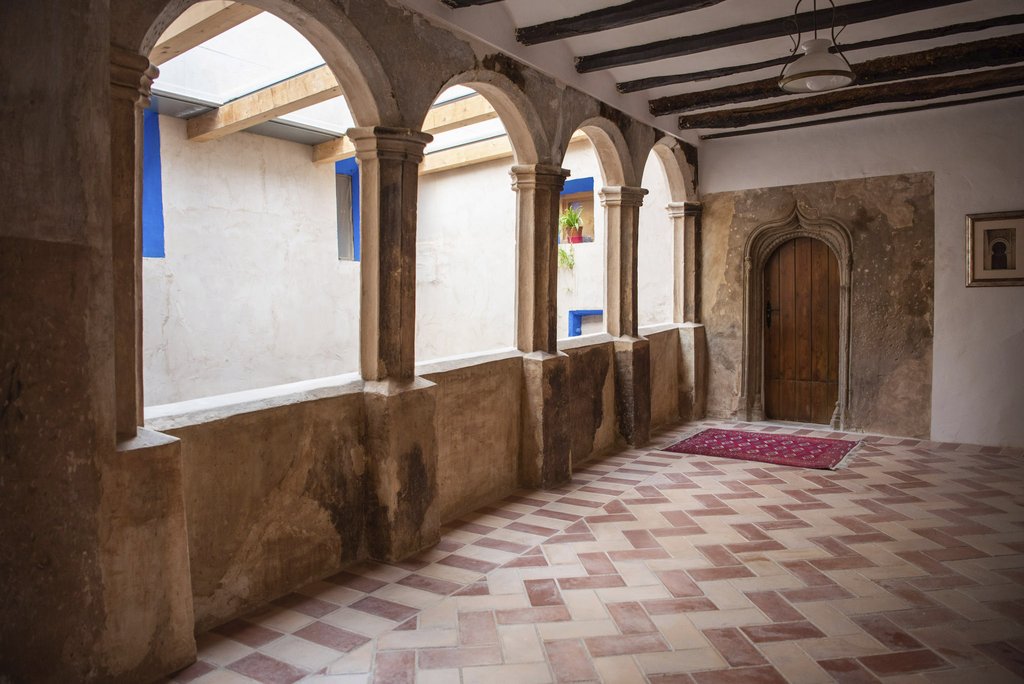
To truly understand Campo de Borja’s claim to be the Empire of Garnacha and the historic links between the grape variety and the region you need to visit The Monastery of Veruela. Founded in 1145, the first Cistercian Monastery in Aragon is closely linked to the development of the Garnacha grape in the area, as winemaking was one of the key agricultural activities the monks undertook. Vines feature on the columns in the cloister, and the site is also home to the region’s wine museum.

Final tip: Leave some room in your luggage for gourmet gifts to take home. La Alacena de Aragón delicatessen in central Zaragoza stocks a wide range of local wines, cheeses, olive oil and other delicacies.
Plan your trip to Campo de Borja & Zaragoza
Getting there
Zaragoza is the easiest gateway to Campo de Borja, around 60km away. Zaragoza has its own airport, but you can also fly into Madrid or Barcelona and continue by high-speed train; both cities are little over an hour from Zaragoza by rail.
Find flights
Getting around
If wine is the reason you’re here, hire a car. The Garnacha Wine Route stretches across a collection of small towns and villages, and having your own wheels gives you far more freedom to move between wineries, restaurants and places such as the Monastery of Veruela. Note – It’s not uncommon that there will be no availability showing for collection from Zaragoza airport – check the Zaragoza Delicias train station instead. The 501 bus can be taken directly from the airport to the station stop Intermodel Salidas. And it should go without saying: if you’re tasting, nominate a driver or arrange transport.
Where to stay
Stay in Campo de Borja itself if you want vineyards and rural quiet, or make Zaragoza your base if you’d rather combine wine country with restaurants, bars and a little more city life.
Nacho’s pick in the Campo de Borja is Castillo de Bulbuente, a restored medieval castle with just nine individually designed rooms.
Explore places to stay in Campo de Borja
While in Zaragoza he recommends Hotel Hiberus and NH Collection Gran Hotel de Zaragoza.
Explore places to stay in Zaragoza.
Wine experiences
Don’t leave winery visits until you arrive. Many of Campo de Borja’s bodegas require advance booking, and opening times vary considerably.
Things to do
If you’re spending time in Zaragoza, it’s worth booking ahead for some of the city’s biggest sights and experiences, particularly if you’re visiting over a weekend or during the Fiestas del Pilar.