

Friday the 13th. The calendar’s recurring panic button. The one date that makes even rational adults glance nervously at ladders, flinch at black cats, and say, “well, it is Friday the 13th,” as if that explains the broken boiler, the ghosting, or the fact that Mercury’s not even in retrograde this time.
The day’s association with bad luck didn’t spring from nowhere. It’s the long-shadowed result of religious fear, medieval arrests, mythological disasters, and at least three very poorly managed dinner parties. What they all had in common? Thirteen at the table, someone died, and drinks were served.
So if you’re throwing a Friday the 13th party, or just sipping in the dark with a sense of drama, you might as well make it count. And to help you do that, here’s what was likely being drunk when history (and myth) took a very cursed turn.
Friday the 13th and The Last Supper
Setting: Jerusalem, c. 30 CE
Likely drinking: Red wine, spiced or diluted
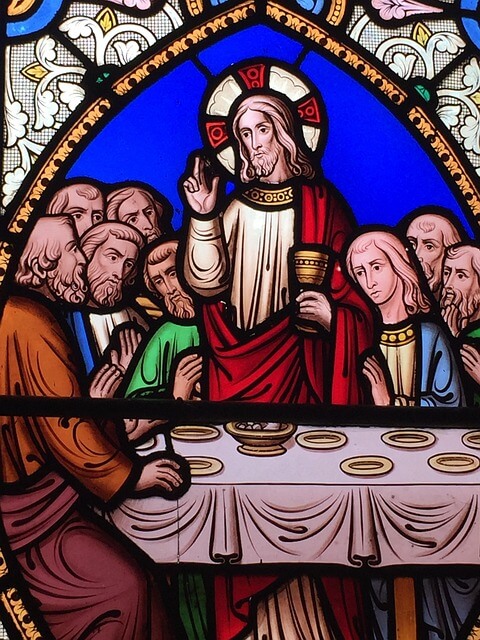
The Gospels might not list the vintage, but they make one thing clear: the wine mattered. “This is my blood,” Jesus said, lifting his cup. The drink became a metaphor so potent it’s still reenacted every Sunday in churches around the world.
But what was actually in that chalice? Artistic depictions, from Da Vinci onwards, nearly always paint it as red, leaning into the blood symbolism. But forget polished claret – this would have been cloudy, possibly spiced, and maybe even diluted with water, as was common at the time – and come from local Levantine grapes – long thought extinct.
However, thanks to recent genomic sequencing, we now know that some modern varieties, including Marawi and Jandali, are authentic descendants of those ancient vines. The grapes may have disappeared from history for centuries, but their DNA still lingers – resurrected by science, and now fermenting once again under Levantine skies.
Today’s pour: As Marawi and Jandali are white varieties, try Bittuni – a light, earthy red that some compare to Pinot Noir or Gamay, with hints of cherry, spice, and soft tannins. Or go deeper with Baladi, a more robust local red with dark fruit, dried herbs, and a rustic edge that feels right at home in an ancient cellar.
Friday the 13th and The Arrest of the Knights Templar
Setting: France, Friday 13 October 1307
Likely drinking: Field-blended wine from Burgundy or Languedoc
It was the original Friday the 13th event. A nationwide, coordinated takedown of a powerful monastic-military order by King Philip IV of France. The Templars were accused of heresy, arrested, tortured, and eventually executed. Why? Mostly because Philip was broke and owed them money. Many arrests happened in Paris, but having been founded in 1119 Templars held vast estates across Burgundy and Languedoc, complete with vineyards and fortified cellars.
Their headquarters in France was at Templar Commanderies in the Champagne and Burgundy regions, close to the royal and ecclesiastical centres of influence. However they had massive landholdings in the Languedoc too – which was warm and good for lots of wine production – particularly after the Albigensian Crusade (1209–1229), when the Catholic Church crushed the Cathars and redistributed their lands.
Today’s pour: Before Philip the Bold’s 1395 edict declared Pinot Noir the noble grape of Burgundy, Gamay was the local go-to. If you’re chasing something close to what the Templars might have sipped, reach for a Beaujolais. Prefer something bolder? Look south. A rich red from Languedoc, particularly a Corbières or a Minervois, channels that sun-soaked, monastery-made mood with brooding fruit and earthy depth.
Friday the 13th and Loki’s Divine Feast
Setting: Valhalla, the realm of Norse gods
Likely drinking: Mead, the drink of wisdom and prophecy
Twelve gods sit down to feast. Then Loki shows up uninvited as the 13th guest. It goes badly. He manipulates the blind god Höðr into killing his own brother Baldr, the most beloved of the gods. With that, the countdown to Ragnarök, the Norse apocalypse, begins.
In Norse mythology, the gods didn’t drink wine, they drank mead. One especially legendary batch? The Mead of Poetry. Brewed from the blood of Kvasir, a being born of a truce between gods and renowned as the wisest of all. After Kvasir was killed by a pair of dwarves (who really set the bar for chaotic evil), his blood was mixed with honey to create a mead that conferred wisdom, eloquence, and poetic genius on anyone who drank it. The dwarves were later outwitted by the giant Suttungr, who hoarded the brew in a mountain. Eventually, Odin stole it and seduced Suttungr’s daughter, before then transforming into an eagle, and making a daring escape with the mead sloshing inside him.
From that point on, the gods kept the precious mead close, drinking it not for pleasure but for inspiration, prophecy, and knowledge, and according to the myths so do the poets of Midgard who are lucky enough to receive even a drop.
Today’s pour: Traditional mead. Serve it cold, in candlelight, with antlers optional but encouraged.
If however, you fancy something a bit more modern here are a few Friday the 13th cocktails to sip.
Friday the 13th themed cocktails
Judas’ Kiss
Ingredients:
- 40ml dark rum (or bourbon for edge)
- 25ml pomegranate juice
- 15ml sweet vermouth
- 10ml Campari
- 1 dash orange bitters
- Garnish: flamed orange peel or blood orange slice
Why it works:
Pomegranate and vermouth evoke that “fruit of sin” energy – red, rich, and sacramental, while Campari adds bitterness and bite.
Mead of Prophecy
Ingredients:
- 50ml dry mead
- 25ml pear liqueur (or elderflower if unavailable)
- 10ml lemon juice
- Top with soda or brut sparkling wine
- Garnish: honey drizzle on rim or sprig of thyme
Why it works:
We’re forgoing the blood this time, and opting for a sparkling, god-touched brightness instead. Bonus: it’s versatile enough for a non-alcoholic twist – just swap in sparkling water, honey, and lemon for something the gods (and your liver) might actually approve of.
Thirst not quenched?
Dive into more curiosities, rituals, and culture-soaked stories over on our culture section